S.No | Course Code & Name | Course Outcome No. | Course Outcomes | ||
SEMESTER-I | |||||
After completion of the course, the students will be able to | |||||
1. | HS8151 – COMMUNICATIVE ENGLISH | 1 | Build listerning skills to acknowledga formal and informal conversations | ||
2 | Illustrate the various kinds of Grammar in speaking etiquette | ||||
3 | Describe the narrative techniques in Communication | ||||
4 | Interpret writings and formulate simple sentences in English | ||||
5 | Classify the main and sub-ordinate ideas in writing | ||||
2. | MA8151 – ENGINEERING MATHEMATICS – I | 1 | Apply limits and differentiation to differentiate functions and solve maxima and minima problems. | ||
2 | Evaluate integrals using Riemann sums and Fundamental Theorem of Calculus. | ||||
3 | Apply integration to compute multiple integrals, area, volume, integrals in polar coordinates, in addition to change of order and change of variables. | ||||
4 | Evaluate integrals by using techniques of integration, such as substitution, partial fractions and integration by parts. | ||||
5 | Determine convergence/divergence of improper integrals and evaluate convergent improper integrals. Apply various techniques in solving differential equations | ||||
3. | PH8151 -ENGINEERING PHYSICS | 1 | Describe the fundamentals of properties of matter to formulate and analyse the problems in columns and beams. | ||
2 | Summarize the concepts and applications of waves, lasers and fiber optics to give theoretical approaches to design modern devices | ||||
3 | Identify the thermal properties of materials | ||||
4 | Explain the concepts of advanced quantum theory and its applications in tunnelling microscopes for both the mathematical and physical prediction. | ||||
5 | Explain the basics of crystals, their structures and different crystal growth techniques to understand the behaviour of the solids. | ||||
4. | CY8151 – ENGINEERING CHEMISTRY | 1 | Illustrate the methods of water softening, requirements of boiler feed water and water treatment methods. | ||
2 | Explain catalysis theories and absorption concepts used in pollution abatement. | ||||
3 | Identify the eutectic mixtures of suitable alloys for the replacement of traditional materials in Engineering applications. | ||||
4 | Describe methods of fuel manufacture and calculation of calorific value to meet desired | ||||
5 | Explain the principle and generation of energy in batteries, nuclear reactors, Solar cells, wind mills | ||||
5. | GE8151 – PROBLEM SOLVING AND PYTHON PROGRAMMING | 1 | Develop algorithmic solutions to simple computational problems | ||
2 | Read, write, execute simple Python programs | ||||
3 | Develop simple Python programs for solving problems and decompose them to | ||||
4 | Represent compound data using Python lists, tuples, dictionaries. | ||||
5 | Describe the methods to read and write data from/to files in python programs | ||||
6. | GE8152 – ENGINEERING GRAPHICS | 1 | Construct multiple views of objects and Conic sections. | ||
2 | Construct orthographic projections of lines and plane surfaces. | ||||
3 | Outline projections of solids. | ||||
4 | Outline projections of sectional views and development of surfaces. | ||||
5 | Extend isometric and perspective sections of simple solids. | ||||
7. | GE8161 – PROBLEM SOLVING & PYTHON PROGRAMMING LABORATORY | 1 | Solve simple computational problems using python programs | ||
2 | Solve problems using conditions & loops in python | ||||
3 | Develop Python programs by defining functions and calling them | ||||
4 | Apply python programs by defining functions and calling them | ||||
5 | Develop python programs using files | ||||
8. | BS8161 – PHYSICS AND CHEMISTRY LABORATORY | 1 | Demonstrate the basic concepts like torque, elasticity and bending moment of beams for various engineering applications by the determination of rigidity modulus of the wire and young modulus of the material of the beam by non-uniform bending. | ||
2 | Identify the fundamentals of thermal properties of material of the bad conductor by Lee’s disc method. | ||||
3 | Demonstrate the estimation of DO content in water sample by Winkler’s method and molecular weight of poymer by Ostwald viscometer | ||||
4 | Determine the strength of an acid using pH meter and conductometer. | ||||
5 | Demonstrate the estimation of weak and strong acids in a mixture of conductometer. | ||||
SEMESTER-II | |||||
9. | HS8251 – TECHNICAL ENGLISH | 1 | Develop the listerning skill to comprehend lectures and talk in their area of specialization successfully. | ||
2 | Improve the speaking ability to communicate effectively in varied formal and informal contexts. | ||||
3 | Build the reading proficiency for effective understanding of scientific and technical reports. | ||||
4 | Construct sentences successfully for effective writing of journal papers and job winning applications. | ||||
5 | Enhance communication skills for competent reporting and presenting amoung the engineering community. | ||||
10. | MA8251 – ENGINEERING MATHEMATICS – II | 1 | Apply the idea of reducing complex problems into simple form using matrix technique. | ||
2 | Apply line, surface and volume integrals using Gauss, Stokes and Green’s theorems and verify | ||||
3 | Apply Analytic functions,conformal mapping and complex integration to simplify complex problems. | ||||
4 | Apply various techniques in solving complex integration problem to simple problem by using residue technique | ||||
5 | Apply Laplace transform and inverse Laplace transform to solve differential equations with constant coefficients | ||||
11. | PH8253 – PHYSICS FOR ELECTRONICS ENGINEERING | 1 | Describe the classical and quantum electron theories and energy band structures to analyse the materials for their specific applications. | ||
2 | Explain the fundamentals of semiconductor physics used in semiconductor electronic devices such as hall devices, ohmic contacts, Schottky diode and power transistor. | ||||
3 | Summarize the properties of magnetic and dielectric materials used in modern devices such as Magnetic hard disc, sensor and computer data storage. | ||||
4 | Identify the properties of optical materials in optoelectronics to describe the theoretical approaches for the design of optoelectronic devices. | ||||
5 | Describe the basics of quantum structures and manipulation of materials at nanometer scale in spintronics and carbon electronics. | ||||
12. | BE8254 – BASIC ELECTRICAL AND INSTRUMENTATION ENGINEERING | 1 | Illustrate the concept of three phase power circuits and power system | ||
2 | Determine the open and short circuit parameters of circuit model and calculate the efficiency and voltage regulation of transformer. | ||||
3 | Determine the performance characteristics of DC machines based on their type of excitation. | ||||
4 | Describe the construction, principle of operation and performance characteristics of single-phase induction motors and special machines. | ||||
5 | Outline appropriate measuring instruments for given application | ||||
13. | EC8252 – ELECTRONIC DEVICES | 1 | Describe the V-I characteristics of various active devices. | ||
2 | Explain the equivalence circuits of Bipolar Junction Transistor, Diodes | ||||
3 | Describe the Principle and working of different types of FET, MOSFET and JFET | ||||
4 | Calculate the performance parameters for FET, JFET and MOSFET | ||||
5 | Describe the working principle of various types of Display devices like LED | ||||
14. | GE8261 – ENGINEERING PRACTICES LABORATORY | 1 | Construct connections with mixed material, joining components and prepare plumbing line sketches for water treatment, sewage works and high-rise buildings | ||
2 | Develop models and joints using sheet metal, carpentry and fitting works | ||||
3 | Illustrate the use of arc and gas welding to prepare joints and demonstrate basic machining, smithy and foundry operations | ||||
4 | Demonstrate the basic home electrical wiring work and measure the electrical quantities such as energy, current, voltage, power, power factor and resistance to earth | ||||
5 | Demonstrate the applications of electronics components, gates using simple circuits. | ||||
15. | EC8261 – CIRCUITS AND DEVICES LABORATORY | 1 | Analyze the characteristics of different electronic devices such as Diodes, Transistors and SCR | ||
2 | Analyze the characteristics of simple circuits like Rectifiers, Clipper and Clamper | ||||
3 | Verify Thevenin Norton theorem, KVL, KCL, Super Position Theorems, Maximum power transfer & Reciprocity theorem for the simple circuit | ||||
4 | Determine the Resonance Frequency of Series & Parallel RLC Circuits | ||||
5 | Analyze the Transient response of RL and RC circuits | ||||
SEMESTER-III | |||||
After completion of the course, the students will be able to | |||||
16. | MA3354 &- DISCRETE MATHEMATICS | 1 | Have knowledge of the concepts needed to test the logic of a program | ||
2 | Have an understanding in identifying structures on many levels | ||||
3 | Be aware of a class of functions which transform a finite set into another finite set which relates to input and output functions in computer science. | ||||
4 | Be aware of the counting principles | ||||
5 | Be exposed to concepts and properties of algebraic structures such as groups, rings and fields. | ||||
17. | CS3352 – DIGITAL PRINCIPLES AND COMPUTER ORGANIZATION | 1 | Design various combinational digital circuits using logic gates | ||
2 | Design sequential circuits and analyze the design procedures | ||||
3 | State the fundamentals of computer systems and analyze the execution of an instruction | ||||
4 | Analyze different types of control design and identify hazards | ||||
5 | Identify the characteristics of various memory systems and I/O communication | ||||
18. | CS3353 -FOUNDATIONS OF DATA SCIENCE | 1 | Define the data science process | ||
2 | Understand different types of data description for data science process | ||||
3 | Gain knowledge on relationships between data | ||||
4 | Use the Python Libraries for Data Wrangling | ||||
5 | Apply visualization Libraries in Python to interpret and explore data | ||||
19. | CD3291 – DATA STRUCTURES AND ALGORITHMS | 1 | Explain abstract data types | ||
2 | Design, implement, and analyze linear data structures, such as lists, queues, and stacks, according to the needs of different applications | ||||
3 | Design, implement, and analyze efficient tree structures to meet requirements such as searching, indexing, and sorting. | ||||
4 | Model problems as graph problems and implement efficient graph algorithms to solve them | ||||
20. | CS3391 – OBJECT ORIENTED PROGRAMMING | 1 | Apply the concepts of classes and objects to solve simple problems | ||
2 | Develop programs using inheritance, packages and interfaces | ||||
3 | Make use of exception handling mechanisms and multithreaded model to solve real world problems | ||||
4 | Build Java applications with I/O packages, string classes, Collections and generics concepts | ||||
5 | Integrate the concepts of event handling and JavaFX components and controls for developing GUI based applications | ||||
21. | CD3281 – DATA STRUCTURES AND ALGORITHMS LABORATORY | 1 | Implement ADTs as Python classes | ||
2 | Design, implement, and analyse linear data structures, such as lists, queues, and stacks, according to the needs of different applications | ||||
3 | Design, implement, and analyse efficient tree structures to meet requirements such as searching, indexing, and sorting | ||||
4 | Model problems as graph problems and implement efficient graph algorithms to solve them | ||||
22. | CS3381 -OBJECT ORIENTED PROGRAMMING LABORATORY | 1 | Design and develop java programs using object oriented programming concepts | ||
2 | Develop simple applications using object oriented concepts such as package, exceptions | ||||
3 | Implement multithreading, and generics concepts | ||||
4 | Create GUIs and event driven programming applications for real world problems | ||||
23. | CS3362 – DATA SCIENCE LABORATORY | 1 | Make use of the python libraries for data science | ||
2 | Make use of the basic Statistical and Probability measures for data science. | ||||
3 | Perform descriptive analytics on the benchmark data sets. | ||||
4 | Perform correlation and regression analytics on standard data sets | ||||
5 | Present and interpret data using visualization packages in Python. | ||||
24. | GE3361 – Professional Development | 1 | Use MS Word to create quality documents, by structuring and organizing content for their day to day technical and academic requirements | ||
2 | Use MS EXCEL to perform data operations and analytics, record, retrieve data as per requirements and visualize data for ease of understanding | ||||
3 | Use MS EXCEL to perform data operations and analytics, record, retrieve data as per requirements and visualize data for ease of understanding | ||||
SEMESTER IV | |||||
25 | CS3452 – THEORY OF COMPUTATION | 1 | Construct automata theory using Finite Automata | ||
2 | Write regular expressions for any pattern | ||||
3 | Design context free grammar and Pushdown Automata | ||||
4 | Design Turing machine for computational functions | ||||
5 | Differentiate between decidable and undecidable problems | ||||
26. | CS3491 -ARTIFICIAL INTELLIGENCE AND MACHINE LEARNING | 1 | Use appropriate search algorithms for problem solving | ||
2 | Apply reasoning under uncertainty | ||||
3 | Build supervised learning models | ||||
4 | Build ensembling and unsupervised models | ||||
5 | Build deep learning neural network models | ||||
27. | CS3492 -DATABASE MANAGEMENT SYSTEMS | 1 | Construct SQL Queries using relational algebra | ||
2 | Design database using ER model and normalize the database | ||||
3 | Construct queries to handle transaction processing and maintain consistency of the database | ||||
4 | Compare and contrast various indexing strategies and apply the knowledge to tune the performance of the database | ||||
5 | Appraise how advanced databases differ from Relational Databases and find a suitable database for the given requirement | ||||
28. | IT3401 – WEB ESSENTIALS | 1 | Apply JavaScript, HTML and CSS effectively to create interactive and dynamic websites. | ||
2 | Create simple PHP scripts | ||||
3 | Design and deploy simple web-applications. | ||||
4 | Create simple database applications. | ||||
5 | Handle multimedia components | ||||
29. | CS3451 -INTRODUCTION TO OPERATING SYSTEMS | 1 | Analyze various scheduling algorithms and process synchronization. | ||
2 | Explain deadlock prevention and avoidance algorithms | ||||
3 | Compare and contrast various memory management schemes | ||||
4 | Explain the functionality of file systems, I/O systems, and Virtualization | ||||
5 | Compare iOS and Android Operating Systems | ||||
30. | GE3451 -ENVIRONMENTAL SCIENCES AND SUSTAINABILITY | 1 | Ecosystems & Biodiversity: Understand environment functions, ecosystem dynamics, and biodiversity conservation | ||
2 | Pollution Management: Identify causes, effects, and preventive measures for environmental pollution and natural disasters. | ||||
3 | Natural Resources: Apply knowledge of renewable and non-renewable resources to manage and conserve them. | ||||
4 | Sustainable Development: Recognize sustainable development goals and integrate them into technological advancement and societal growth. | ||||
5 | Sustainability Practices: Utilize knowledge on green materials, energy cycles, and sustainable urbanization for environmental management | ||||
31. | CS3461 OPERATING SYSTEMS LABORATORY | 1 | Define and implement UNIX Commands. | ||
2 | Compare the performance of various CPU Scheduling Algorithms | ||||
3 | Compare and contrast various Memory Allocation Methods. | ||||
4 | Define File Organization and File Allocation Strategies. | ||||
5 | Implement various Disk Scheduling Algorithms. | ||||
32. | CS3481 -DATABASE MANAGEMENT SYSTEMS LABORATORY | 1 | Create databases with different types of key constraints | ||
2 | Construct simple and complex SQL queries using DML and DCL commands | ||||
3 | Use advanced features such as stored procedures and triggers and incorporate in GUI based application development. | ||||
4 | Create an XML database and validate with meta-data (XML schema). | ||||
5 | Create and manipulate data using NOSQL database. | ||||
SEMESTER-V | |||||
33. | CS3591 – Computer Networks | 1 | Explain the basic layers and its functions in computer networks. | ||
2 | Understand the basics of how data flows from one node to another | ||||
3 | Analyze routing algorithms | ||||
4 | Describe protocols for various functions in the network | ||||
5 | Analyze the working of various application layer protocols. | ||||
34. | IT3501 – Full Stack web Development | 1 | Understand the various stacks available for web application development | ||
2 | Use Node.js for application development | ||||
3 | Develop applications with MongoDB | ||||
4 | Use the features of Angular and Express | ||||
5 | Develop React applications | ||||
35. | CS3551 – Distributed Computing | 1 | Explain the foundations of distributed systems (K2) | ||
2 | Solve synchronization and state consistency problems (K3) | ||||
3 | Use resource sharing techniques in distributed systems (K3) | ||||
4 | Apply working model of consensus and reliability of distributed systems (K3) | ||||
5 | Explain the fundamentals of cloud computing (K2 | ||||
36. | CS3691 -Embedded Systems and IoT | 1 | Explain the architecture of embedded processors. | ||
2 | Write embedded C programs. | ||||
3 | Design simple embedded applications. | ||||
4 | Compare the communication models in IOT | ||||
5 | Design IoT applications using Arduino/Raspberry Pi /open platform | ||||
37. | IT3511 – Full Stack webDevelopment Laboratory | 1 | Design full stack applications with clear understanding of user interface, business logic and data storage. | ||
2 | Design and develop user interface screens | ||||
3 | Implement the functional requirements using appropriate tool | ||||
4 | Design and develop database based on the requirements | ||||
5 | Integrate all the necessary components of the application | ||||
SEMESTER – VI | |||||
38. | CCS356 – Object Oriented Software Engineering | 1 | Compare various Software Development Lifecycle Models | ||
2 | Evaluate project management approaches as well as cost and schedule estimation strategies | ||||
3 | Perform formal analysis on specifications. | ||||
4 | Use UML diagrams for analysis and design | ||||
5 | Architect and design using architectural styles and design patterns, and test the system | ||||
39. | IT3681 – Mobile Application Development Laboratory | 1 | Design and build simple mobile applications supporting multiple platforms. | ||
2 | Apply various programming techniques and patterns to build mobile applications | ||||
3 | Build real-time mobile applications for society/environment | ||||
4 | Build gaming and multimedia based mobile applications | ||||
5 | Build AI based mobile applications for society/environment following ethical practices | ||||
SEMESTER – VII | |||||
40. | GE3791 – Human Values and Ethics | 1 | Identify the importance of democratic, secular and scientific values in harmonious functioning of social life | ||
2 | Practice democratic and scientific values in both their personal and professional life | ||||
3 | Find rational solutions to social problems | ||||
4 | Behave in an ethical manner in society. | ||||
5 | Practice critical thinking and the pursuit of truth | ||||
41. | IT3711 – Summer internship | 1 | Industry Practices, Processes,Techniques, technology, automation and other core aspects of software industry |
| |
2 | Analyze, Design solutions to complex business problems |
| |||
3 | Build and deploy solutions for target platform |
| |||
4 | Preparation of Technical reports and presentation |
| |||
SEMESTER – VIII | |||||
42. | IT3811 Project Work/Internship | 1 | Model and Solve Real-World Problems: Apply theoretical IT knowledge and engineering fundamentals to develop practical solutions. | ||
2 | Design and Develop Innovative Solutions: Create, test, and implement products, processes, or software, prioritizing sustainability and social relevance. | ||||
3 | Teamwork and Management: Function effectively as an individual or team leader, managing project resources and timelines efficiently. | ||||
4 | Ethical Practice: Adhere to professional ethics, legal standards, and societal responsibilities in engineering. | ||||
5 | Technical Documentation & Communication: Produce detailed project reports and present findings effectively to technical and non-technical audiences | ||||
43. | – | – | Mandatory Courses | ||
- HOME
- ADMINISTRATION
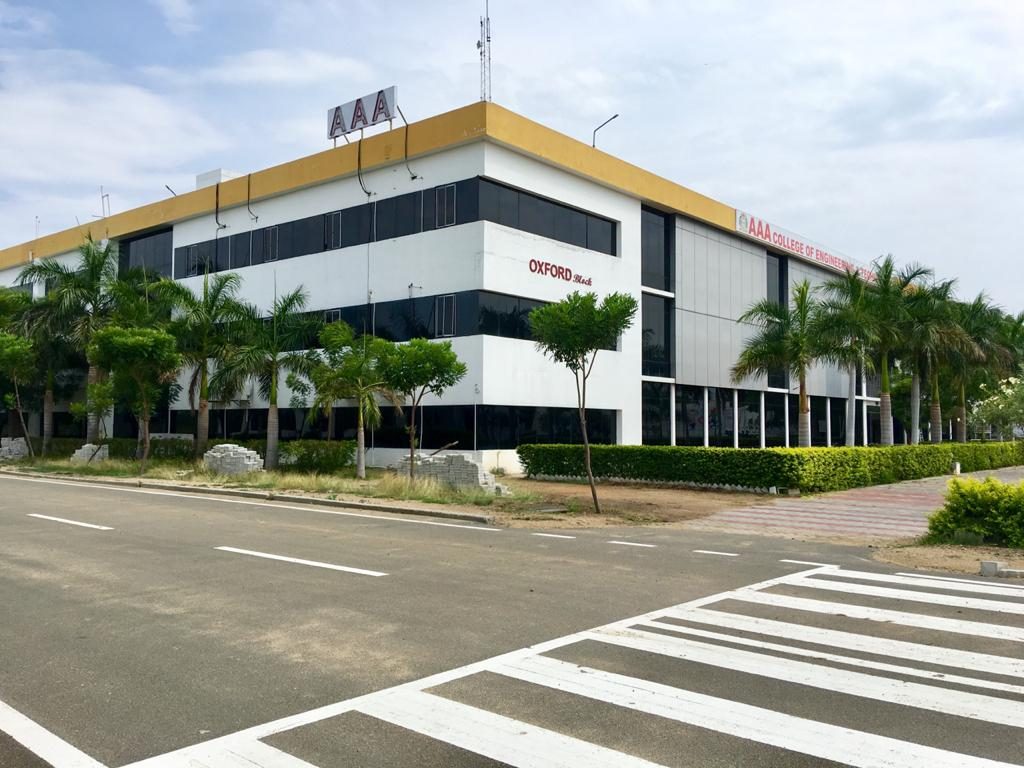
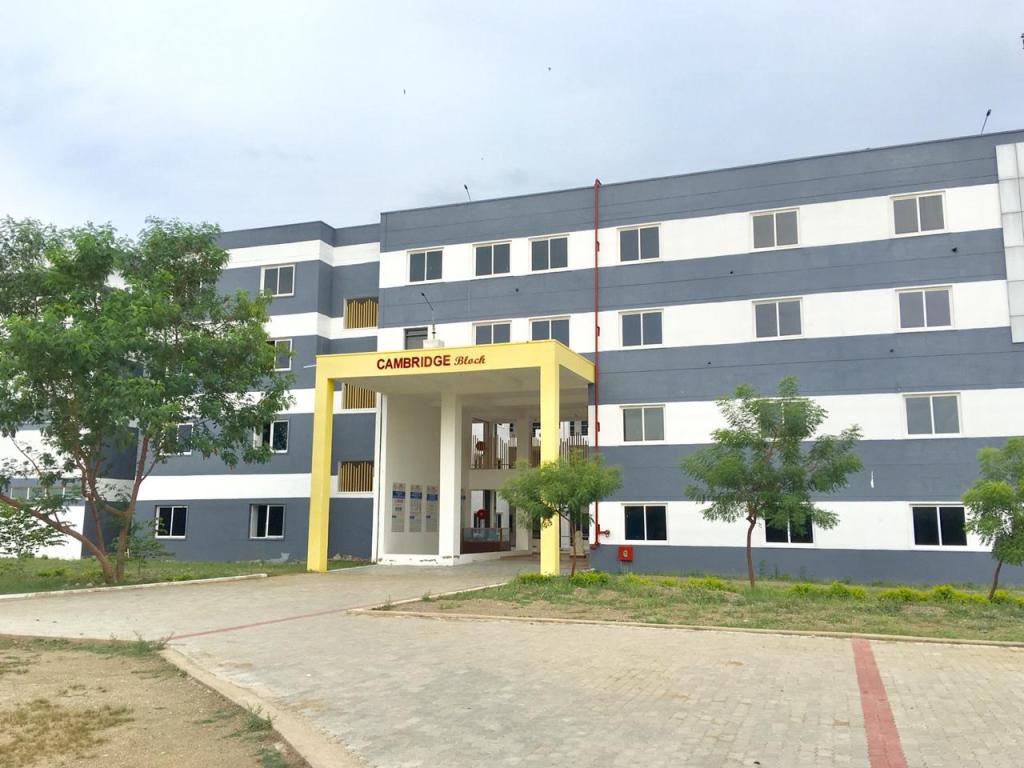
AAA provide meritorious education with a commitment to Excellence and find opportunity to apply the knowledge and skills.
both the Panjurajan – Amaravathy Trust and the Vinayaga – Sony Group of Industries have decided to establish new standards in education.
Principal Dr. M. Sekar, M.E, Ph.D. (S. Korea), M.Tech, F.I.E., F.I.E.T.E Message about the institution and career guidance for the students to achieve greater results in life
Correspondent Dr.P.Ganesan’s Message about the institution and career guidance for the students to achieve greater results in life
For Admissions, Course Details and any kind of educational queries, don’t hesitate to reach out to us. We will get in touch with you.
- ADMISSIONS
- ACADEMICS
- CAMPUS
- STUDENT’S CORNER
- PLACEMENTS
- RESEARCH
- RESOURCES
- IQAC
- ONLINE FEE PAYMENT
- NAAC
- APPROVALS
- CAREERS

COUNSELLING CODE : 4680
- HOME
- ADMINISTRATION
AAA provide meritorious education with a commitment to Excellence and find opportunity to apply the knowledge and skills.
both the Panjurajan – Amaravathy Trust and the Vinayaga – Sony Group of Industries have decided to establish new standards in education.
Principal Dr. M. Sekar, M.E, Ph.D. (S. Korea), M.Tech, F.I.E., F.I.E.T.E Message about the institution and career guidance for the students to achieve greater results in life
Correspondent Dr.P.Ganesan’s Message about the institution and career guidance for the students to achieve greater results in life
For Admissions, Course Details and any kind of educational queries, don’t hesitate to reach out to us. We will get in touch with you.
- ADMISSIONS
- ACADEMICS
- CAMPUS
- STUDENT’S CORNER
- PLACEMENTS
- RESEARCH
- RESOURCES
- IQAC
- ONLINE FEE PAYMENT
- NAAC
- APPROVALS
- CAREERS