Course Code | Course Name | CO | Course Outcomes |
SEMESTER I | |||
HS3152 | PROFESSIONAL ENGLISH I | 1 | Describe the different modes of communication. |
2 | Describe narrative and summative techniques in communication | ||
3 | Express a product or process description using effective lexical components | ||
4 | Describe elements for expressing the verbal and non-verbal communication | ||
5 | Express effectively both oral and written medium of communication | ||
MA3151 | MATRICES AND CALCULUS | 1 | Apply the matrices algebra method for finding higher powers, inverse of the matrices and Eigen values. |
2 | Apply limits and differential calculus rules to solve maxima and minima problems. | ||
3 | Apply partial differentiation techniques into maxima and minima functions of two or more variables. | ||
4 | Apply the proper techniques of integration to solve engineering problems. | ||
5 | Apply multiple integral in area and volume for solving the real life problem. | ||
PH3151
|
ENGINEERING PHYSICS | 1 | Discuss multiparticle dynamics and rotation of rigid bodies |
2 | Explore the properties, energy and momentum of EM wave | ||
3 | Explain the working principle and properties of oscillations, optics and lasers | ||
4 | Explain the important concepts and salient features of quantum mechanics | ||
5 | Describe quantum mechanics through Oscillator, Tunneling and the formation of energy bands | ||
CY3151 | ENGINEERING CHEMISTRY | 1 | Infer the quality of water from quality parameter data and propose suitable treatment methodologies to treat water. |
2 | Identify of suitable fuels for engineering processes and their applications | ||
3 | Recognize different forms of energy resources and apply them for suitable applications in energy sectors. | ||
GE3151 | PROBLEM SOLVING AND PYTHON PROGRAMMING | 1 | Develop algorithmic solutions to simple computational problems |
2 | Develop and execute simple Python programs. | ||
3 | Write simple Python programs using conditionals, looping and functions for solving Problems. | ||
4 | Represent compound data using python lists, tuples, dictionaries etc. | ||
5 | Develop and execute Python programs to read and write data from/to files. | ||
GE3152 | HERITAGE OF TAMILS | 1 | தமிழ்மொழியின்செந்தன்மை மற்றும்இலக்கியங்கள் குறித்த தகவல்களை அறிதல். |
2 | தமிழர்களின் சிற்பக்கலை ஓவியக்கலை மற்றும் இசைக்கருவிகள் குறித்ததெளிவுபெறுதல். | ||
3 | தமிழர்களின் நாட்டுப்புறகலைகள் மற்றும் வீர விளையாட்டுகள் குறித்த ஒரு அறிமுகம் . | ||
4 | தமிழர்களின் திணைகோட்பாடுகள் சங்ககால வணிகம் மற்றும்சோழர்களின் வெற்றிகள் குறித்த தகவல்களை அறிதல்(புரிதல்) | ||
5 | இந்தியதேசியஇயக்கம் சுயமரியாதை இயக்கம் மற்றும் சித்தமருத்துவம் பற்றி புரிதல் | ||
BS3171 | PHYSICS AND CHEMISTRY LABORATORY | 1 | Demonstrate the basic concept like torque and elasticity and bending moment of beams for various engineering application by the determination of rigidity modulus of the wire and young’s modulus of the material of the beam by uniform and non-uniform bending. |
2 | Determine the thickness of thin material by air wedge method and the wavelength of laser. | ||
3 | Determine the alkalinity, hardness, chloride & DO content in water sample by EDTA, Mohr’s and Winkler’s methods. | ||
4 | Determine the strength of weak and strong acids using pH meter and conductometer. | ||
5 | Demonstrate the estimation of iron content in the sample by potentiometer. | ||
GE3171 | PROBLEM SOLVING AND PYTHON PROGRAMMING LABORATORY | 1 | Develop algorithmic solutions to simple computational problems. |
2 | Develop and execute simple Python programs. | ||
3 | Implement programs in Python using conditionals and loops for solving problems. | ||
4 | Implement Python programs using functions and process compound data using Python data structures. | ||
5 | Develop software applications utilizing Python packages. | ||
GE3172 | ENGLISH LABORATORY | 1 | Build language fluency in all situations and contexts |
2 | Demonstrate formal and informal contexts in the communication strategies | ||
3 | Interpret opinions effectively in both oral and written medium of communication | ||
4 | Summarize key points in audio and video lectures. | ||
5 | Express opinions related to different situations and contexts | ||
SEMESTER II | |||
HS3252 | PROFESSIONAL ENGLISH – II | 1 | Compare and contrast products and ideas in technical texts. |
2 | Identify cause and effects in events, industrial processes through technical texts. | ||
3 | Suggest solution to the problems in argumentative situations through oral and writing. | ||
4 | Build reading proficiency for writing scientific and technical reports. | ||
5 | Construct sentences successfully for effective writing of job and internship applications. | ||
MA3251 | STATISTICS AND NUMERICAL METHODS | 1 | Analyze the null hypothesis for large and small number of samples. |
2 | Apply hypothesis testing in design of experiments. | ||
3 | Solve root finding problems and Eigen value problem using several methods | ||
4 | Apply Numerical Techniques of differentiation and Integration in solving engineering Solve ordinary differential equations problems using various methods. | ||
5 | Solve ordinary differential equations problems using various methods. | ||
PH3256 | PHYSICS FOR INFORMATION SCIENCE | 1 | Discuss Classical and Quantum theories and energy band structures. |
2 | Explain semiconductor physics and its applications in various devices. | ||
3 | Compare the magnetic properties of materials and their applications in data storage. | ||
4 | Describe the functioning of optical materials for optoelectronics. | ||
5 | Compare the quantum structures and quantum computing based on their applications. | ||
BE3251 | BASIC ELECTRICAL AND ELECTRONICS ENGINEERING | 1 | Compute the electric circuit parameters for simple problems. |
2 | Explain the working principle and applications of electrical machines. | ||
3 | Analyze the characteristics of analog electronic devices. | ||
4 | Explain the basic concepts of digital electronics. | ||
5 | Explain the operating principles of measuring instruments. | ||
GE3251 | ENGINEERING GRAPHICS | 1 | Perform freehand sketching of basic geometrical constructions and multiple views of objects. |
2 | Project orthographic projections of lines and plane surfaces. | ||
3 | Draw the projection of simple solids. | ||
4 | Draw the projections of section of solids and development of surfaces. | ||
5 | Visualize and project isometric and perspective sections of simple solids. | ||
AD3251 | DATA STRUCTURES DESIGN | 1 | Explain abstract data types. |
2 | Design, implement, and analyze linear data structures, such as lists, queues, and stacks, according to the needs of different applications. | ||
3 | Design, implement, and analyse efficient tree structures to meet requirements such as searching, indexing, and sorting. | ||
4 | Solve problems using Non-Linear data structure Tree. | ||
5 | Apply appropriate graph algorithms for graph applications. | ||
GE3252 | தமிழரும் ததொழில்நுட்பமும | 1 | சங்க காலத்தில் நெசவு மற்றும் பானை தொழில்நுட்பம் பற்றி அறிதல். |
2 | சங்க காலம் முதல் தமிழகத்தின் கட்டிட வடிவமைப்பு மற்றும் தொழில்நுட்பம் பற்றி அறிதல். | ||
3 | சங்க காலம் முதல் தமிழகத்தின் உற்பத்தி சார்ந்த தொழிற்சாலைகள் பற்றி அறிதல். | ||
4 | சங்க காலம் முதல் தமிழகத்தின் வேளாண்மை மற்றும் நீர்ப்பாசனத் தொழில்நுட்பம். | ||
5 | செயற்கை நூண்ணறிவு மற்றும் தகவல் தொழிற்நூட்பத்தில் தமிழ் மொழி சொற்களை. | ||
GE3271
| Engineering Practices Laboratory
| 1 | Practice safety precautions in the workshop. |
2 | Prepare a pipe line with pipe fittings and make common wooden joints for house work. | ||
3 | Identify the various wire electrical joints in common household electrical wire work. | ||
4 | Practice welding joints in steel plates using arc welding work; Machine components using simple processes like turning, drilling and tapping. Assemble simple mechanical assembly of common household equipments; Make a tray out of metal sheet using sheet metal work. | ||
5 | Assemble simple electronics circuit elements using soldering and test electronic circuits and PCB. | ||
AD3271 | DATA STRUCTURES DESIGN LABORATORY | 1 | Implement ADTs as Python classes. |
2 | Design, implement, and analyze linear data structures, such as lists, queues, and stacks, according to the needs of different applications | ||
3 | Design, implement, and analyze efficient tree structures to meet requirements such as searching, indexing, and sorting | ||
4 | Solve problems using Non-Linear data structure Tree. | ||
5 | Apply appropriate graph algorithms for graph applications. | ||
GE3272 | COMUMUNICATION LABORATORY | 1 | Infer workplace situations and communicate effectively through speaking and E-mail writing |
2 | Enhance communication skills using common technological terms | ||
3 | Improve speaking ability to communicate effectively in varied formal and informal contexts | ||
4 | Classify main and sub-ordinate ideas in technical writing | ||
5 | Infer ideas in effective writing recommendations and job winning applications | ||
SEMESTER III | |||
MA3354 | DISCRETE MATHEMATICS | 1 | Apply Propositional logic to check the given equivalence as a tautology and quantifier techniques which are used in generalization |
2 | Apply combinatorics method to solve mathematical induction problems and linear recurrence relations | ||
3 | Apply graph theory to find isomorphism between two graphs and use in finding the shortest path in computer networks | ||
4 | Apply algebra method to solve group and properties of group | ||
5 | Apply Boolean algebra in computer circuits, computer programming, and mathematical logic | ||
CS3351 | DIGITAL PRINCIPLES AND COMPUTER ORGANIZATION | 1 | Design various combinational digital circuits using logic gates |
2 | Design sequential circuits and analyze the design procedures. | ||
3 | State the fundamentals of computer systems and analyze the execution of an instruction. | ||
4 | Analyze different types of control design and identify hazards. | ||
5 | Identify the characteristics of various memory systems and I/O communication | ||
AD3391 | DATABASE DESIGN AND MANAGEMENT | 1 | Understand the database development life cycle and apply conceptual modelling. |
2 | Apply SQL and programming in SQL to create, manipulate and query the database. | ||
3 | Apply the conceptual-to-relational mapping and normalization to design relational database. | ||
4 | Determine the serializability of any non-serial schedule using concurrency techniques. | ||
5 | Apply the data model and querying in Object-relational and No-SQL databases. | ||
AD3351 | DESIGN AND ANALYSIS OF ALGORITHMS | 1 | Analyze the efficiency of recursive and non-recursive algorithms mathematically. |
2 | Analyze the efficiency of brute force, divide and conquer, decrease and conquer, Transform and conquer algorithmic techniques. | ||
3 | Implement and analyze the problems using dynamic programming and greedy algorithmic techniques | ||
4 | Solve the problems using iterative improvement techniques for optimization. | ||
5 | Compute the limitations of algorithmic power and solve the problems using backtracking and branch and bound techniques. | ||
AD3301 | DATA EXPLORATION AND VISUALIZATION | 1 | Explain the fundamental concepts of exploratory data analysis. |
2 | Create data visualizations effectively using Matplotlib | ||
3 | Conduct univariate data exploration and analysis. | ||
4 | Analyze relationships in data through bivariate exploration. | ||
5 | Apply data exploration and visualization techniques to multivariate and time series datasets. | ||
AL3391 | ARTIFICIAL INTELLIGENCE | 1 | Explain intelligent agent frameworks |
2 | Apply problem solving techniques in Heuristic function | ||
3 | Apply game play and CSP in Backtracking search | ||
4 | Apply logical reasoning to solve problem in agent | ||
5 | Compute different probabilistic approaches to solve AI problem | ||
AD3381 | DATABASE DESIGN AND MANAGEMENT LABORATORY | 1 | Understand the database development life cycle. |
2 | Design relational database using conceptual-to-relational mapping, Normalization. | ||
3 | Apply SQL for creation, manipulation and retrieval of data. | ||
4 | Develop a database application for real-time problems. | ||
5 | Design and query object-relational databases. | ||
AD3311 | ARTIFICIAL INTELLIGENCE LABORATORY | 1 | Design and implement search strategies |
2 | Implement game playing and CSP techniques | ||
3 | Develop logical reasoning systems | ||
4 | Develop probabilistic reasoning systems | ||
SEMESTER IV | |||
MA3391 | PROBABILITY AND STATISTICS | 1 | Discuss about the concepts such as probability and standard distributions. |
2 | Utilize the concepts of one- and two-dimensional random variables. | ||
3 | Understand the concept of Estimation. | ||
4 | Describe the concepts of design of experiments. | ||
5 | Demonstrate the concept of statistical techniques. | ||
AL3452 | OPERATING SYSTEMS | 1 | Demonstrate the ability to analyze and compare various CPU scheduling algorithms |
2 | Evaluate the causes of deadlocks in resource allocation systems and propose solutions using deadlock prevention and avoidance algorithms | ||
3 | Compare different memory management schemes and demonstrate their impact on system performance | ||
4 | Explain the role and functionality of file systems, I/O systems, and virtualization techniques in operating systems | ||
5 | Compare and contrast the architectural design, features, and security models of iOS and Android operating systems | ||
AL3451 | MACHINE LEARNING | 1 | Implement the fundamentals of machine learning by using hypothesis. |
2 | Illustrate a supervised model technique using different methods | ||
3 | Apply unsupervised learning with different methods | ||
4 | Examine machine learning models for diverse applications | ||
5 | Analyze the real world experiments using different testing methods | ||
AD3491 | FUNDAMENTALS OF DATA SCIENCE AND ANALYTICS | 1 | Explain the data analytics pipeline. |
2 | Describe and visualize data. | ||
3 | Perform statistical inferences from data. | ||
4 | Analyse the variance in the data. | ||
5 | Build models for predictive analytics. | ||
CS3591 | COMPUTER NETWORKS | 1 | Identify the basic layers and its functions of networks. |
2 | Apply the concept of data flows between nodes. | ||
3 | Develop algorithms for routing. | ||
4 | Develop protocols for various network functions. | ||
5 | Explore how various application layer protocols function | ||
GE3451 | ENVIRONMENTAL SCIENCES AND SUSTAINABILITY | 1 | Explain the values, threats and conversation of Biodiversity and classify various ecosystems |
2 | Identify and implement of environmental pollution control technologies and monitoring their management systems. | ||
3 | Acquire the knowledge of various renewable energy management resources and its conversation. | ||
4 | Describe the concept ,challenges from economic, social and aspects of sustainable development methods in environmental management. | ||
5 | Suggest the need of awareness about sustainable habitat, energy and green engineering in socio-economical assessments. | ||
AD3411 | DATA SCIENCE AND ANALYTICS LABORATORY | 1 | Write Python code for data analysis. |
2 | Use libraries to handle and manipulate data. | ||
3 | Build Python-based analytical applications. | ||
4 | Create visualizations using Python. | ||
5 | Analyze data and interpret findings. | ||
AD3461 | MACHINE LEARNING LABORATORY | 1 | Apply appropriate feature selection algorithms such as filter methods wrapper methods and embedded methods for analysis. |
2 | Analyze the performance of supervised learning models using evaluation metrics such as accuracy, precision, recall, F1-score, and ROC curves. | ||
3 | Implement unsupervised learning algorithms such as K-Means, Hierarchical Clustering, and Principal Component Analysis (PCA) on standard datasets. | ||
4 | Build models that can learn from data that is organized as a graph (like a network) using standard datasets. | ||
5 | Compare different machine learning algorithms based on their accuracy, efficiency, and suitability for specific tasks. | ||
SEMESTER V | |||
AD3501 | DEEP LEARNING | 1 | Understand fundamental concepts of deep neural networks |
2 | Apply CNNs to image processing tasks | ||
3 | Apply RNNs and their variants to text analysis tasks | ||
4 | Evaluate models for diverse applications. | ||
5 | Apply autoencoders and generative models to relevant applications. | ||
CW3551 | DATA AND INFORMATION SECURITY | 1 | Understand the basics of data and information security |
2 | Understand the legal, ethical and professional issues in information security | ||
3 | Understand the various authentication schemes to simulate different applications | ||
4 | Understand various security practices and system security standards | ||
5 | Understand the Web security protocols for E-Commerce applications | ||
CS3551 | DISTRIBUTED COMPUTING | 1 | Understand and explain the core concepts of algorithm design and analysis. |
2 | Apply advanced algorithmic techniques to solve complex computational problems. | ||
3 | Evaluate the performance of algorithms in terms of efficiency and scalability. | ||
4 | Design and implement efficient data structures for real-world applications. | ||
5 | Demonstrate proficiency in parallel and distributed algorithms. | ||
CCS334 | BIG DATA ANALYTICS | 1 | Discuss about the need for big data and use cases for various business domains. |
2 | Apply the NoSQL big data management and Cassandra to efficiently store Big Data. | ||
3 | Apply map-reduce concepts in real world applications. | ||
4 | Explain the Hadoop and HDFS concepts. | ||
5 | Apply Hadoop-related tools such as HBase, Pig, and Hive for big data analytics for given problems. | ||
CCW331 | BUSINESS ANALYTICS | 1 | Demonstrate how the analytics life cycle and types of analytics can be implemented in solving business problems. |
2 | Perform the business intelligence tools such as data warehouses, OLAP, and DSS for decision-making | ||
3 | Develop predictive models using data mining and machine learning techniques | ||
4 | Contrast HR and supply chain data to forecast workforce and optimize operations | ||
5 | Design marketing and sales strategies using customer behavior and predictive analytics | ||
CCS354 | NETWORK SECURITY | 1 | Provide comparative charts, visualization videos, and worksheet-based activities for different encryption types. |
2 | Conduct extra whiteboard sessions and give real-time examples with diagrams and video lectures. | ||
3 | Use packet-trace analysis tools, case studies, and discussion-based learning with sample attack scenarios. | ||
4 | Provide summary notes, organize group discussions, and encourage question- based interactive sessions. | ||
5 | Assign mini-projects, give practical lab exercises, and conduct demos. | ||
AD3511 | DEEP LEARNING LABORATORY | 1 | Apply deep neural networks to solve simple problems |
2 | Apply Convolutional Neural Networks (CNNs) for image processing tasks. | ||
3 | Apply Recurrent Neural Networks (RNNs) and their variants for text analysis. | ||
4 | Apply generative models for data augmentation. | ||
5 | Develop real-world solutions using appropriate deep neural networks. | ||
SEMESTER VI | |||
CS3691 | EMBEDDED SYSTEMS AND IoT | 1 | Explain the architecture and functionalities of embedded processors. |
2 | Develop embedded C programs for interfacing and control applications | ||
3 | Design and implement simple embedded system applications using microcontrollers | ||
4 | Compare various IoT communication models and protocols | ||
5 | Design and prototype IoT applications using Arduino, Raspberry Pi or open platform. | ||
OEE351 | RENEWABLE ENERGY SYSTEM | 1 | Explain the classification of primary energy sources and the scope of renewable energy development in India. |
2 | Describe the principles of solar energy conversion and its applications in power generation. | ||
3 | Explain the working principles and components of wind energy conversion systems. | ||
4 | Discuss biomass and biogas energy conversion process and their applications. | ||
5 | Describe the principles and applications of alternative renewable energy systems | ||
CCS360 | RECOMMENDER SYSTEMS | 1 | Apply appropriate data mining techniques such as classification, clustering, association rule mining, and matrix factorization to recommender system datasets |
2 | Implement and evaluate classification algorithms (such as Naïve Bayes, Decision Trees, and k-NN) for content based recommendation tasks | ||
3 | Analyze the role of rating normalization techniques in neighborhood-based CF and assess their impact on similarity computation and prediction accuracy | ||
4 | Analyze techniques for detecting attacks on recommender systems by evaluating abnormal rating patterns, similarity distortions, and user behavior anomalies | ||
5 | Analyze and evaluate accuracy metrics (such as MAE, RMSE, Precision, Recall, and F-measure) and assess their limitations in measuring real-world recommendation effectiveness | ||
CCS374 | WEB APPLICATION SECURITY | 1 | Understand the fundamental concepts of web application security and the necessity for securing web applications. |
2 | Apply secure development practices and deployment processes in web application development. | ||
3 | Develop the ability to design and implement secure web applications using secure APIs. | ||
4 | Understand the importance of vulnerability assessment and penetration testing in identifying security risks. | ||
5 | Evaluate system security by adopting a hacker mindset and utilizing standard ethical hacking and security toolsets. | ||
CCS336 | CLOUD SERVICE MANAGEMENT | 1 | Evaluate Cloud Service Management Terminology, definition & concepts |
2 | Demonstrate and contrast cloud service management with traditional IT service management | ||
3 | Illustrate the strategies to reduce risk and eliminate issues associated with adoption of cloud services | ||
4 | Deploy the structures for designing, deploying and running cloud-based services in a business environment | ||
5 | Illustrate the benefits and drive the adoption of cloud-based services to solve real world problem | ||
CCS344 | ETHICAL HACKING | 1 | Apply ethical hacking principles to identify the vulnerabilities |
2 | Execute footprinting & reconnaissance to gather document intelligence on a target network | ||
3 | Apply systematic enumeration and vulnerability analysis procedures to map attack surfaces and discover exploitable flaws. | ||
4 | Perform security assessments on web and wireless applications to identify flaws. | ||
5 | Apply network protection strategies, such as firewalls and intrusion prevention systems, to mitigate real-world cyber threats. | ||

- HOME
- ADMINISTRATION
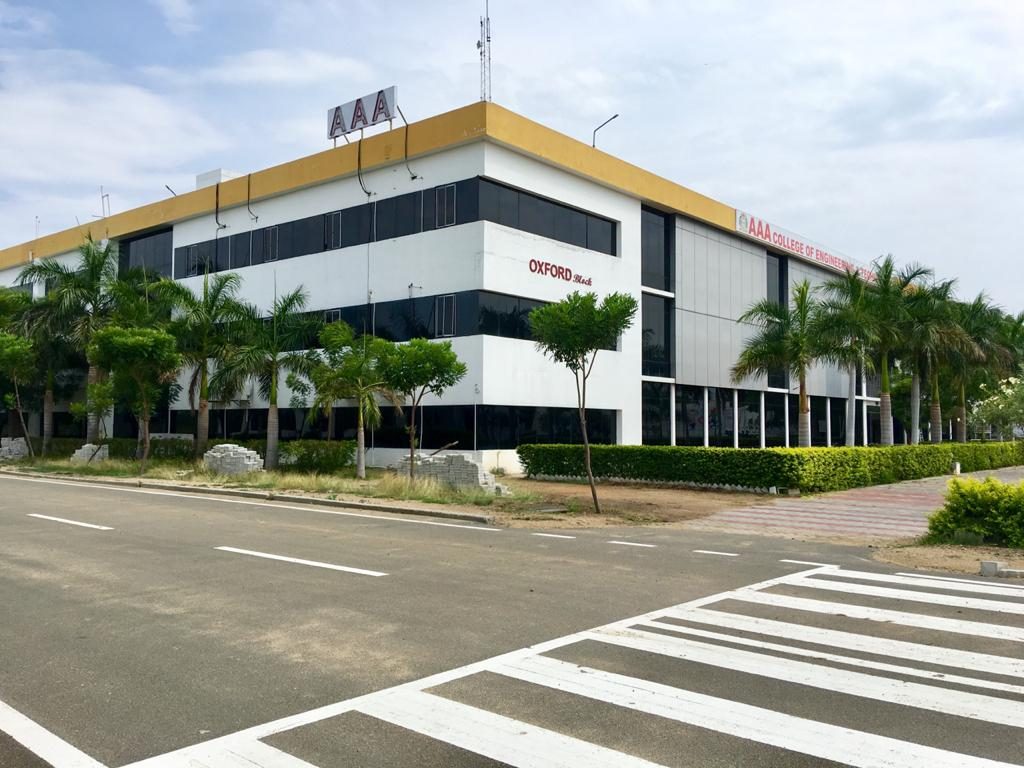
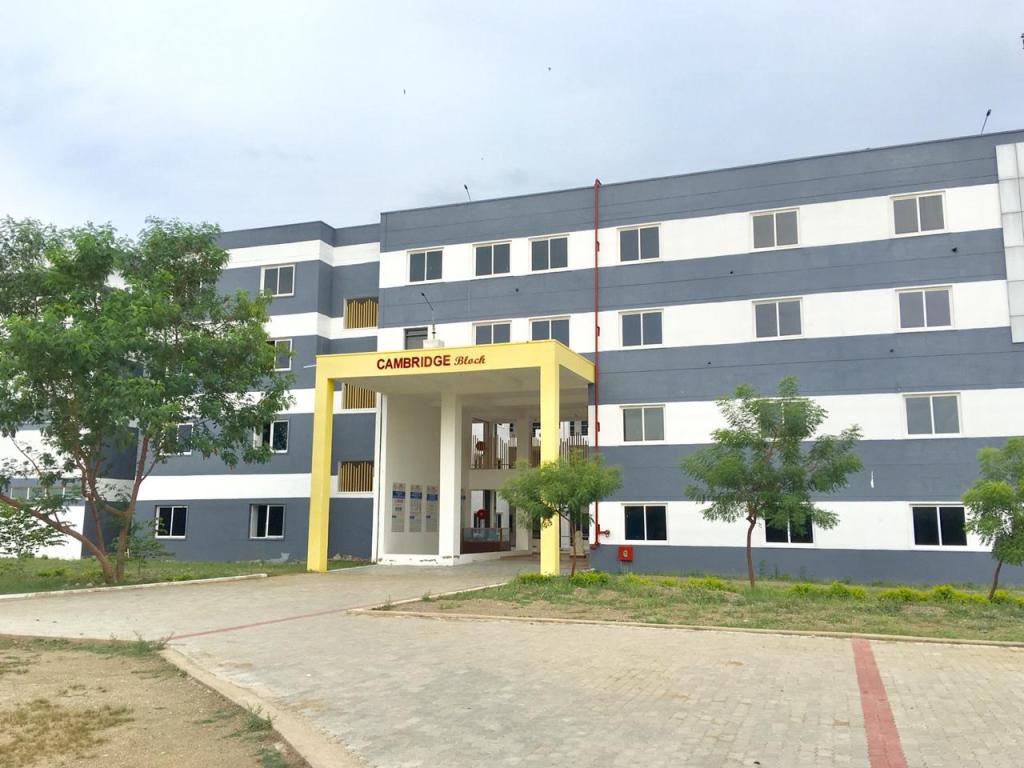
AAA provide meritorious education with a commitment to Excellence and find opportunity to apply the knowledge and skills.
both the Panjurajan – Amaravathy Trust and the Vinayaga – Sony Group of Industries have decided to establish new standards in education.
Principal Dr. M. Sekar, M.E, Ph.D. (S. Korea), M.Tech, F.I.E., F.I.E.T.E Message about the institution and career guidance for the students to achieve greater results in life
Correspondent Dr.P.Ganesan’s Message about the institution and career guidance for the students to achieve greater results in life
For Admissions, Course Details and any kind of educational queries, don’t hesitate to reach out to us. We will get in touch with you.
- ADMISSIONS
- ACADEMICS
- CAMPUS
- STUDENT’S CORNER
- PLACEMENTS
- RESEARCH
- RESOURCES
- IQAC
- ONLINE FEE PAYMENT
- NAAC
- APPROVALS
- CAREERS

COUNSELLING CODE : 4680
- HOME
- ADMINISTRATION
AAA provide meritorious education with a commitment to Excellence and find opportunity to apply the knowledge and skills.
both the Panjurajan – Amaravathy Trust and the Vinayaga – Sony Group of Industries have decided to establish new standards in education.
Principal Dr. M. Sekar, M.E, Ph.D. (S. Korea), M.Tech, F.I.E., F.I.E.T.E Message about the institution and career guidance for the students to achieve greater results in life
Correspondent Dr.P.Ganesan’s Message about the institution and career guidance for the students to achieve greater results in life
For Admissions, Course Details and any kind of educational queries, don’t hesitate to reach out to us. We will get in touch with you.
- ADMISSIONS
- ACADEMICS
- CAMPUS
- STUDENT’S CORNER
- PLACEMENTS
- RESEARCH
- RESOURCES
- IQAC
- ONLINE FEE PAYMENT
- NAAC
- APPROVALS
- CAREERS